
Author: Kongdy Patch
Date: 06 05,2026
The direct-to-consumer (DTC) business model has transformed how health and wellness brands build relationships with customers, control their brand narrative, and capture the full margin of their products. Transdermal patches are exceptionally well-suited to the DTC model — they are consumables with repeat purchase cycles, they address specific consumer needs that benefit from educational marketing, and they support subscription programs that dramatically increase customer lifetime value. The top quartile of DTC patch brands achieve 60-75% gross margins, 25-40% contribution margins, and USD 150-280 customer lifetime value within 12 months of launch. This playbook walks through the 8 steps to build a profitable DTC patch brand in 2026.
The DTC model offers five structural advantages for patch brands. First, full margin capture: the brand captures the wholesale and retail margins that would otherwise go to Amazon, retail buyers, or distributors. A patch selling at USD 19.99 on Amazon at 35% margin can sell at USD 24.99 on a brand website at 65% margin. Second, customer relationship ownership: the brand owns the customer relationship, can communicate directly, and can build a community of repeat buyers. Third, brand narrative control: the brand website, content marketing, and email sequences allow full control of the brand story, in contrast to Amazon where product detail pages are constrained. Fourth, data ownership: the brand owns first-party customer data, which is increasingly valuable in a privacy-restricted marketing environment. Fifth, subscription potential: the brand website supports subscription programs with higher conversion rates and better retention than Amazon Subscribe & Save.
The first and most important step is defining a specific niche and customer. The most successful DTC patch brands serve a specific consumer need with depth and authenticity, rather than trying to be everything to everyone. Examples of successful niches include: back pain patches for desk workers, post-workout recovery patches for runners, sleep patches for stressed professionals, migraine relief patches for chronic sufferers, plantar fasciitis patches for athletes, and menstrual pain relief patches. The narrower the niche, the easier it is to reach, convert, and retain customers.
Once the niche is defined, develop a product specifically designed for that customer. The product differentiation should be meaningful and defensible — not just packaging variation. Examples of meaningful differentiation include: a patch specifically designed for a body area (lower back, knee, neck, foot), a formulation specifically optimized for a use case (gentle enough for daily use, strong enough for severe pain), a unique ingredient combination not available in commodity products, and a sustainability positioning aligned with the target customer's values.
The brand website is the foundation of the DTC model. The website should be built on a flexible e-commerce platform (Shopify is the most common choice for DTC brands, with WooCommerce and BigCommerce as alternatives). The website must include: clear product positioning and value proposition, detailed product pages with high-quality images and educational content, customer reviews and testimonials, subscription program with clear pricing, FAQ section addressing common questions, and clean checkout flow with multiple payment options (Shop Pay, Apple Pay, Google Pay, Klarna, Afterpay).
Content marketing is the primary customer acquisition channel for DTC patch brands. The content strategy should focus on the niche customer and their specific needs. Content types include: blog articles addressing customer pain points and product solutions, video content (educational, product demonstration, customer testimonials), email sequences (welcome, education, conversion, retention), social media content (Instagram, TikTok, Pinterest), and SEO-optimized landing pages for high-intent search terms. The most successful DTC patch brands publish 2-4 blog articles per week, send 2-4 emails per week to subscribers, and post daily on at least one social platform.
Subscription is the most important revenue model for DTC patch brands. The subscription should be implemented from the first product launch, not added later. The optimal subscription pricing offers 15-20% discount versus one-time purchase, with 30-day or 60-day delivery frequency based on the typical consumption rate. Subscription should be presented as the default option on the product page, with one-time purchase as the alternative. The most successful subscription implementation uses a dedicated subscription app (Recharge, Skio, Loop) integrated with the e-commerce platform.
Paid acquisition is the second major customer acquisition channel for DTC patch brands. The most effective paid channels for patch products are: Meta ads (Facebook and Instagram) for awareness and consideration, Google Search ads for high-intent keywords, TikTok ads for younger demographics and viral product discovery, and Pinterest ads for female-skewing niches (pain relief, wellness, beauty). The target CAC for DTC patch brands is USD 25-50, with an LTV:CAC ratio of 3:1 or higher.
Brand community is what separates successful DTC brands from commodity products. Community building tactics include: social media engagement with user-generated content, customer spotlight features in email and on the website, branded hashtag campaigns, loyalty program with points for purchases, reviews, and referrals, and events (virtual or in-person) that bring customers together around the brand. The strongest DTC patch brands have communities of 10,000+ highly engaged customers who advocate for the brand.
Once the brand is generating consistent revenue, the focus shifts to optimization, scaling, and expansion. Optimization activities include: conversion rate optimization on the website, A/B testing of pricing, packaging, and positioning, customer feedback integration into product iteration, and unit economics improvement through scale and supply chain optimization. Scaling activities include: paid acquisition budget expansion, content team expansion, customer service team expansion, and product line expansion. Expansion activities include: complementary product launches, geographic expansion, and channel expansion (selective retail, Amazon).
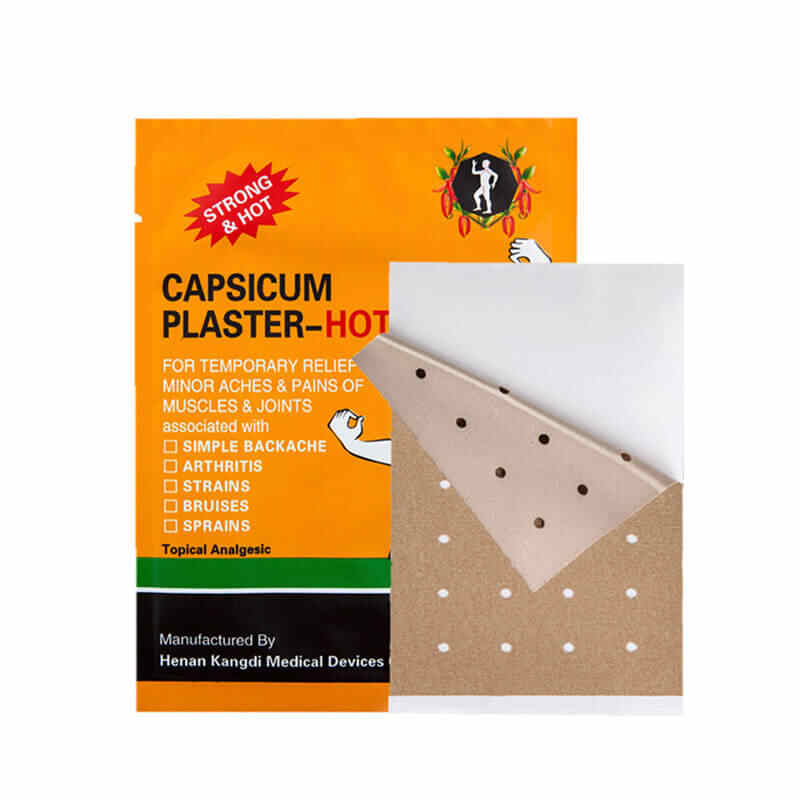
The unit economics of a successful DTC patch brand are compelling. A typical 30-count pain relief patch DTC product at USD 29.99 has the following unit economics: Revenue USD 29.99, COGS (product + packaging + shipping) USD 6.50, gross profit USD 23.49 (78%), payment processing USD 1.20, fulfillment and customer service USD 2.50, marketing CAC (blended) USD 25.00, contribution margin USD -5.21 (loss on first purchase). However, the second purchase (typically at 50-60% of customers) generates USD 23.49 contribution. By the third purchase, the customer is highly profitable. The LTV after 12 months (with 60% subscription conversion) is typically USD 90-140, supporting an LTV:CAC of 3-5:1.
DTC brands that try to serve a broad market with a generic product inevitably lose to brands that serve a specific niche with a specific product. The solution is to define a narrow niche and a specific target customer before product development.
Content marketing is the primary customer acquisition channel for DTC patch brands, but many first-time founders underinvest in content. Publishing one blog post per month is insufficient. The solution is to commit to a sustained content publishing cadence (2-4 articles per week) for at least 12 months.
Many first-time founders spend months perfecting the website before defining the brand positioning, target customer, and value proposition. The result is a beautifully designed website that doesn't convert. The solution is to define the brand strategy first, then build the website to express the strategy.
Email is the highest-ROI marketing channel for DTC brands, but many founders delay email implementation until after launch. The solution is to set up email capture, welcome flows, and abandoned cart sequences before the website goes live.
Months 1-3: foundation. Define niche, develop product, build website, set up email, launch to warm audience. Target: USD 10,000-30,000 in first-month revenue. Months 4-6: validation. Launch paid acquisition, optimize website conversion, build content library, refine customer targeting. Target: USD 50,000-100,000 monthly revenue by month 6. Months 7-9: scaling. Increase paid acquisition budget, launch subscription program, expand product line, build brand community. Target: USD 100,000-200,000 monthly revenue by month 9. Months 10-12: optimization. Focus on unit economics improvement, retention rate optimization, and brand community building. Target: USD 150,000-300,000 monthly revenue by month 12, with 50%+ of customers on subscription.
A successful DTC patch brand typically requires USD 80,000-200,000 in launch capital for inventory (USD 30,000-80,000), website and branding (USD 10,000-30,000), content creation (USD 5,000-15,000), paid acquisition budget for 6 months (USD 30,000-60,000), and operational costs (USD 5,000-15,000). First-time founders often underestimate the funding requirement and run out of capital before the brand reaches profitability. The solution is to plan for 12 months of operational runway before launch, with budget flexibility for the inevitable optimization iterations.
The right OEM manufacturer is a critical partner for DTC patch brand success. The manufacturer should support: product development tailored to the niche customer, flexible minimum order quantities that support DTC scale-up, packaging design that supports the brand positioning, quality consistency that builds consumer trust, and supply chain reliability that prevents stockouts. At Kangdi Medical, we have supported 80+ DTC patch brands with these capabilities, including flexible MOQ (5,000 pieces for initial production, scaling to 100,000+ pieces for commercial volume), custom packaging design, and supply chain reliability (98% on-time delivery rate over the past 3 years).
The DTC model offers patch brands an unparalleled opportunity to build a high-margin, customer-centric business with strong brand equity. The brands that win are those that serve a specific niche with a differentiated product, invest in content marketing and brand building, implement subscription from day one, and execute the long-term optimization process with discipline. The investment in DTC infrastructure is significant but the long-term brand value and unit economics justify the commitment.
Contact Kangdi Medical to discuss your DTC patch brand concept, niche positioning, and product requirements. We provide DTC-optimized product development, flexible minimum order quantities, packaging design, and supply chain support tailored to your specific launch and growth strategy.
Email: kongdy202113@gmail.com
WhatsApp: +86 15517541011
Website: www.kongdypatch.com
Specializing in the integration of scientific research, production and marketing of medical devices


 0086-15517541011
 No.4,2nd Area,SME Poineer Park,Industry Cluster Zone,Huaiyang Country, Zhoukou, Henan, China.
 kongdy202113@gmail.com