
Author: Kongdy Patch
Date: 05 28,2026
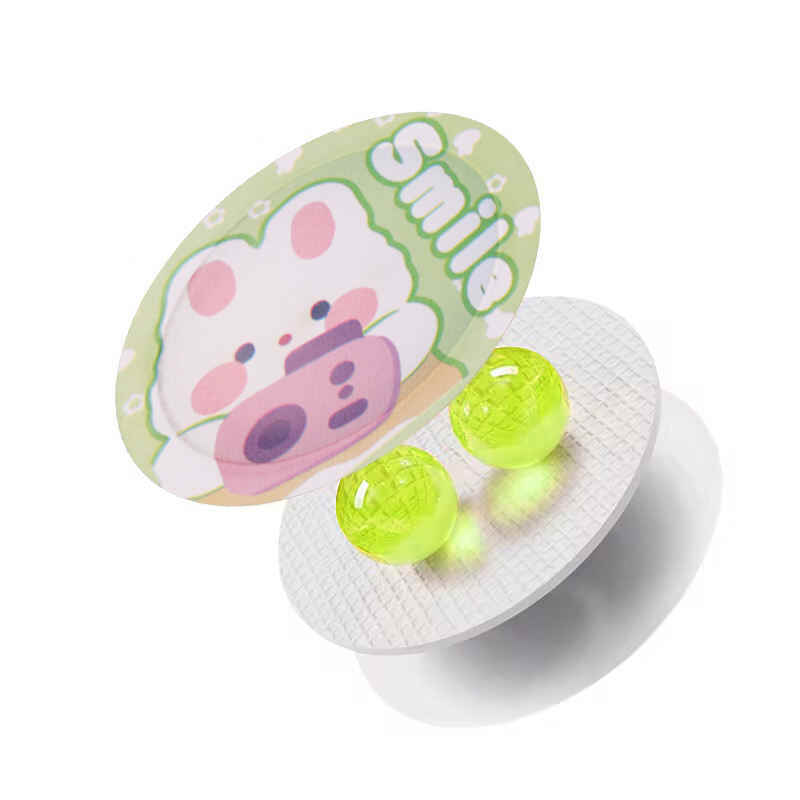
Mosquito repellent patches have become one of the fastest-growing segments in the personal insect protection market. Parents looking for DEET-free alternatives for their children, outdoor enthusiasts seeking convenient protection during hiking and camping trips, and travelers heading to tropical regions where mosquito-borne diseases are a real health threat — all are driving demand for topical and wearable mosquito repellent products. For brand owners and importers, this growth represents a genuine commercial opportunity. But as with any product category that grows fast, it has attracted its share of low-quality suppliers and substandard products.
Sourcing mosquito repellent patches from a Chinese OEM manufacturer without proper due diligence is a recipe for regulatory problems, customer complaints, and brand damage. This guide walks you through exactly what to verify before you place an order.
The global mosquito repellent market was valued at approximately USD 5 billion in 2024 and is projected to grow at a CAGR of 7–9% through 2030. Within this broader market, mosquito repellent patches occupy a specific niche: they offer a non-spray, non-cream form factor that appeals to consumers who want mess-free, convenient protection. The patch format also appeals to parents who are cautious about applying chemical sprays near their children.
The primary markets for mosquito repellent patches include North America (particularly the US, driven by growing awareness of mosquito-borne diseases such as West Nile Virus and increasing outdoor recreation), Europe (demand for DEET-free and natural alternatives, strong regulatory framework around biocide products), Asia-Pacific (tropical climates with high mosquito prevalence, large consumer base in China, India, and Southeast Asia), and Latin America (dengue and Zika concerns driving demand for reliable insect protection products).
For importers entering this market, understanding the regulatory landscape of your target country is the essential first step — before you discuss pricing, MOQ, or delivery timelines.
In the United States, mosquito repellent products are regulated primarily by the Environmental Protection Agency (EPA) under the Federal Insecticide, Fungicide, and Rodenticide Act (FIFRA). Products that make public health claims about mosquito repellent efficacy must either be registered with the EPA as pesticide products or qualify for an exemption.
The most common active ingredients used in EPA-registered mosquito repellent patches include picaridin (a synthetic repellent considered comparable in efficacy to DEET but better tolerated on skin), oil of lemon eucalyptus (the only plant-based ingredient EPA-registered for use in mosquito repellents, derived from Corymbia citriodora), and IR3535 (a synthetic biopeptide-based repellent with a strong safety profile for sensitive skin).
Some patches are positioned and labeled without making specific efficacy claims — these may fall outside EPA jurisdiction and be regulated as cosmetics or general consumer products. However, if your label makes any claim about repelling mosquitoes, you need to confirm the regulatory pathway with your manufacturer before production.
In the EU, mosquito repellent products fall under the Biocidal Products Regulation (BPR, EU 528/2012). Products must be authorized under the appropriate product type (PT 19 — insecticides for vectors) before they can be legally sold in EU member states. Active substances must be approved and included in the Union list of approved active substances. Most repellents used in EU-market patches fall under PT 19 or, for certain applications, PT 18 (insecticides).
The EU market also requires specific labeling under CLP Regulation (Classification, Labeling, and Packaging), which governs hazard classification and safety information on product labels.
Australia (TGA), Canada (PMRA), and Southeast Asian countries each have their own regulatory frameworks. Your OEM manufacturer should have experience supporting regulatory documentation for your specific target market and should be able to provide guidance on which active ingredients and labeling formats are approved in each country.
Citronella is the most widely used natural mosquito repellent ingredient in consumer patches. It works by masking the carbon dioxide and lactic acid scents that mosquitoes use to locate hosts. Citronella-based patches are popular for their natural positioning and DEET-free marketing appeal. However, citronella has known limitations: its repellent effect is relatively short-lived (typically 2–4 hours per application), it has a strong distinctive odor that some consumers find unpleasant, and the volatility of citronella compounds means that patches lose their effectiveness relatively quickly once the package is opened.
For brands marketing citronella-based patches, managing consumer expectations about duration of protection is essential. Overstating efficacy claims for citronella patches is one of the most common regulatory pitfalls in this category.
Oil of lemon eucalyptus (and its refined active component, p-menthane-3,8-diol or PMD) is the most effective naturally derived mosquito repellent currently EPA-registered. PMD provides repellency comparable to low concentrations of DEET and offers a duration of protection of approximately 6–8 hours under typical conditions. For brands that want a natural positioning with genuine efficacy, eucalyptus-based patches offer the best balance of natural appeal and functional performance.
Vanillin (a derivative of vanilla) is used in some patch formulations as a fragrance compound that also has mild repellent properties. It is often added to citronella formulations to extend the effective duration by reducing the volatility of the active compounds. Vanillin is considered safe for skin application and is used in both cosmetic and repellent contexts.
Some manufacturers use synthetic compounds that have regulatory restrictions in certain markets. Check whether your target market has specific restrictions on any ingredients proposed by your supplier. Ingredients that are approved in one market may be restricted or prohibited in another.
Efficacy is the most fundamental requirement for any mosquito repellent product. Request laboratory test results from a recognized testing facility demonstrating that the patch achieves the claimed duration and spectrum of protection. Standard testing protocols include arm-in-cage testing against Aedes aegypti (the yellow fever mosquito) and Culex quinquefasciatus (the house mosquito) — the two primary disease-vector species. Test results should show repellency percentage and duration under controlled laboratory conditions.
Mosquito repellent patches are typically worn for extended periods and applied directly to skin or clothing. ISO 10993 skin sensitization and irritation testing is mandatory for any patch that will contact skin. Request the full test report, not just a certificate of compliance — the actual data reveals whether any subjects showed irritation reactions that might affect your target consumer population.
Active ingredients in mosquito repellent patches — particularly natural compounds such as citronella and eucalyptus oil — are volatile and can degrade over time. Request stability data demonstrating that the patch maintains its repellent efficacy throughout the labeled shelf life. This is particularly important if your product will be shipped internationally and stored in warm climates.
The most common problem with budget mosquito repellent patches is that their claimed duration of protection (8 hours, 12 hours) is not supported by actual laboratory testing. Patches that show 2–3 hours of effective repellency are sold with 8-hour labels because the buyer did not verify the test data. Always request the actual test reports before approving artwork for mass production.
A mosquito repellent patch that falls off after 30 minutes of wear is not a functional product, regardless of its active ingredient efficacy. Adhesion testing should be part of every quality specification — patches should remain attached to skin or clothing through normal daily activities for the full duration of the labeled protection period.
Volatile active ingredients such as citronella require high-barrier primary packaging to prevent pre-use evaporation. If the pouch material is insufficiently oxygen-impermeable, the active ingredient will be partially depleted before the product is even applied. Request packaging compatibility stability data from your supplier.
At Kangdi Medical, we manufacture mosquito repellent patches using proven active ingredient formulations, with full laboratory testing documentation for efficacy, skin compatibility, and shelf life stability. Our in-house R&D team works with each buyer to select the most appropriate active ingredient combination for their target market and regulatory framework.
What we offer includes citronella, eucalyptus oil (PMD), and vanillin-based formulations available for custom patch development, full EPA-compliant testing documentation for US market entry, CE technical file support for EU market entry under BPR, ISO 10993 skin compatibility testing reports, stability testing data supporting shelf life claims of 24 months and beyond, and flexible MOQ from pilot-batch quantities to full commercial production runs.
Whether you are launching your first mosquito repellent patch brand or expanding an existing product line, Kangdi Medical has the formulation expertise, testing infrastructure, and regulatory knowledge to support your market entry with confidence.
The commercial opportunity in mosquito repellent patches is real. But the difference between a product that builds your brand and one that creates costly regulatory and customer service problems comes down to the due diligence you do before you place an order. A reputable manufacturer will welcome your questions, provide test data proactively, and help you navigate the regulatory requirements of your target market.
Contact Kangdi Medical with your product concept and target market. We will provide a detailed formulation proposal, testing documentation package, and production plan — within 48 hours of your inquiry.
Email: kongdy202113@gmail.com
WhatsApp: +86 15517541011
Website: www.kongdypatch.com
Specializing in the integration of scientific research, production and marketing of medical devices


 0086-15517541011
 No.4,2nd Area,SME Poineer Park,Industry Cluster Zone,Huaiyang Country, Zhoukou, Henan, China.
 kongdy202113@gmail.com