
Author: Kongdy Patch
Date: 04 29,2026
When building a weight management product line, brands face a fundamental format decision: should you sell slim patches or capsules (pills/softgels)? Both deliver active ingredients. Both target the same consumer need. But they are very different products in terms of consumer experience, manufacturing, regulatory positioning, and market differentiation.
This guide breaks down the comparison for wholesale buyers, private label brands, and e-commerce sellers evaluating which format — or combination of formats — belongs in their product portfolio.
| Factor | Slim Patch | Capsules / Pills |
|---|---|---|
| Delivery Method | Transdermal (through skin) | Oral (swallowed) |
| Duration of Effect | 8–24 hours per patch | 4–8 hours (typical) |
| Consumer Convenience | Apply once, forget it | Must remember to take |
| Market Differentiation | High — visually distinctive | Low — crowded category |
| Barrier to Entry (Retail) | Moderate | High (crowded shelf) |
| Average Retail Price | $25–$60 per pack | $15–$45 per bottle |
| Repeat Purchase Rate | High | Moderate to High |
| Private Label MOQ | 500–2,000 units | 1,000–5,000 units |
| Consumer Perception | Innovative, modern | Traditional, familiar |
| Amazon Competition | Moderate | Very High |
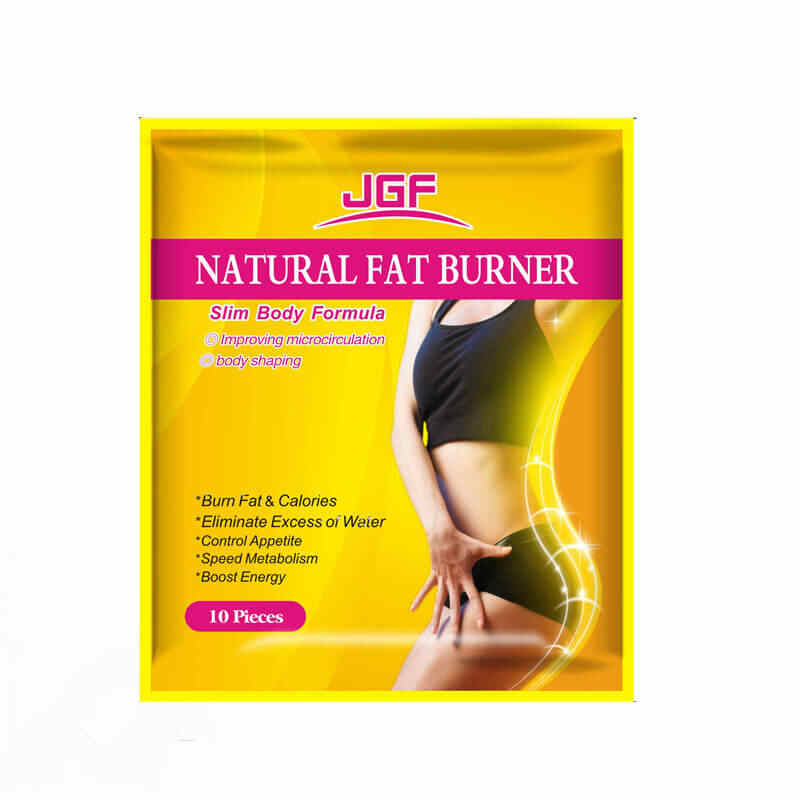
The weight loss supplement market is one of the most crowded in consumer health. Capsule and powder SKUs number in the tens of thousands on platforms like Amazon. Slim patches occupy a smaller, less saturated subcategory — meaning new brands have a higher chance of organic visibility, especially in search-driven environments.
When a consumer searches "weight loss patch" or "slimming patch," they encounter significantly fewer results than they would searching "fat burner pills." Lower competition translates to easier ranking, lower advertising cost-per-click, and more organic brand discovery.
Capsules are metabolized and eliminated within hours. Patches are designed for sustained delivery across an 8–24 hour window, which consumers often perceive as more effective or consistent — regardless of clinical mechanism. This perception supports a premium pricing strategy and reduces the risk of consumer disappointment from single-dose format.
A significant portion of supplement buyers — including those with swallowing difficulties, those avoiding pill-based products for lifestyle reasons, and those in markets where supplement capsules face stricter regulation — are not well-served by traditional oral formats. Slim patches capture this segment directly.
In the age of social commerce (TikTok, Instagram, Pinterest), product aesthetics matter. A well-designed slim patch with custom packaging photographs and films beautifully. Patches can be positioned as a lifestyle accessory as much as a health product — something capsule bottles struggle to achieve.
Despite the advantages of patches, capsules remain dominant for a reason:
For brands building a comprehensive wellness line, capsules remain an important SKU — but they are best paired with, rather than substituted for, a slim patch option.
Based on market positioning and sourcing data, slim patches are especially well-suited for:
If you've decided slim patches are the right format for your brand, here is a streamlined sourcing process:
Decide whether you want a standard market formula (faster to launch, lower cost) or a custom blend (proprietary, harder to replicate). Common slim patch ingredients include:
Look for manufacturers with ISO 22716 or ISO 13485 certification and documented GMP compliance. Request a factory audit report or ask for references from existing brand partners.
Always order pre-production samples before committing to a bulk order. Evaluate:
Your manufacturer should be able to provide:
Start with a test run (typically 500–1,000 units) to validate the market. Gather consumer feedback before scaling to full production volumes.
| Order Volume | Typical Ex-Factory Price (per patch) | Retail Price Range |
|---|---|---|
| 500–1,000 units | $0.80–$1.50 | $2.50–$4.00 |
| 1,000–5,000 units | $0.50–$0.90 | $2.00–$3.50 |
| 5,000–20,000 units | $0.30–$0.60 | $1.80–$3.00 |
| 20,000+ units | $0.20–$0.40 | $1.50–$2.50 |
Prices vary based on formulation complexity, packaging, substrate material, and certification requirements. Request a factory quote for accurate pricing.
For new brands: Slim patches offer a faster path to market differentiation, lower competitive density, and strong visual branding potential. They are an excellent first product or a compelling addition alongside existing capsule SKUs.
For established brands: Adding a slim patch SKU to your line signals innovation and captures non-pill consumers — two audiences that are growing year over year.
For wholesale distributors: Slim patches are consistent top performers in health retail, gym channels, and online marketplaces, with strong margins and high reorder frequency.
Looking for a reliable slim patch manufacturer for your private label or wholesale order? Connect with a GMP-certified factory that offers full custom formulation, packaging design, and global export services.
Specializing in the integration of scientific research, production and marketing of medical devices


 0086-15517541011
 No.4,2nd Area,SME Poineer Park,Industry Cluster Zone,Huaiyang Country, Zhoukou, Henan, China.
 kongdy202113@gmail.com