
Author: Kongdy Patch
Date: 06 12,2026
Detox foot patches have become one of the most popular wellness and self-care product categories globally, with the market exceeding USD 600 million in 2026. The product concept is simple and appealing: a patch applied to the soles of the feet overnight, which allegedly draws out toxins and leaves a dark residue in the morning as visual proof of "detoxification." While the science is debated (the dark residue is largely perspiration and bamboo vinegar reaction rather than toxins), consumer demand remains strong, particularly in Asian, European, and Latin American markets. Over 37 years and millions of foot patches produced, we at Kangdi Medical have answered thousands of buyer questions about this unique category. This FAQ guide consolidates the 20 most common questions to help brand owners, importers, and distributors make informed decisions.
Jump to the sections most relevant to your needs:
A detox foot patch is an adhesive patch applied to the sole of the foot (typically overnight) that contains ingredients claimed to draw out toxins through the skin. The patch is typically made of non-woven fabric with an adhesive backing, containing a blend of ingredients including bamboo vinegar, wood vinegar, tourmaline, dextrin, chitosan, and various herbs. The product produces a visible dark brown or black residue in the morning, which is presented to consumers as evidence of toxin removal. The actual mechanism is debated: the residue is primarily perspiration mixed with the ingredients, not actual toxins, but the perceived effect and relaxation benefit are real to many users.
The efficacy of detox foot patches is debated. From a scientific perspective, the body detoxifies primarily through the liver, kidneys, and lymphatic system, and there is limited evidence that topical foot patches significantly remove toxins. The dark residue is largely the result of perspiration mixing with the bamboo vinegar and other ingredients. From a consumer perspective, many users report feeling more relaxed, sleeping better, and experiencing reduced foot fatigue, which suggests real benefits even if the "detox" mechanism is different from the marketing claims. Brand owners should focus marketing on the genuine benefits (relaxation, foot care, sleep support) rather than unsubstantiated detox claims.
Users of detox foot patches commonly report: improved sleep quality, reduced foot fatigue and soreness, relaxation and stress relief, reduced swelling in feet and ankles, a sense of cleanliness and freshness, and satisfaction with the visible residue as evidence of working. The benefits are largely related to the placebo effect, the relaxation of wearing the patch at night, and the warmth generated by the patch ingredients. Brand owners should market these genuine benefits rather than unsubstantiated claims about "removing heavy metals" or "curing chronic diseases."
Detox foot patches are generally safe for most users when used as directed. The main ingredients (bamboo vinegar, wood vinegar, dextrin) are non-toxic and well-tolerated. Some users may experience skin irritation from the adhesive, which is typically mild and resolves after patch removal. Safety considerations include: not using on broken or irritated skin, not using on children under 12, removing if skin irritation occurs, and consulting a doctor if you have diabetes or peripheral circulation issues. At Kangdi Medical, our detox foot patches use hypoallergenic adhesive and natural ingredients to minimize skin irritation risk.
Detox foot patches are typically worn for 6-10 hours, with most users applying them at bedtime and removing them in the morning. The overnight application allows the ingredients to be in contact with the skin for an extended period, producing the maximum residue and perceived effect. Some users apply them for shorter periods (2-4 hours) for a quick refresh, but the overnight application is the most common and recommended usage pattern. The patch should be removed immediately if it causes significant skin irritation or discomfort.
The typical ingredients in a detox foot patch are: bamboo vinegar (the main ingredient, produces the dark residue), wood vinegar (similar to bamboo vinegar, additional ingredient), tourmaline (mineral that may emit far-infrared radiation), dextrin (binder and carrier), chitosan (natural polymer, helps the patch hold together), vitamin C (ascorbic acid, antioxidant), and various herbs (ginkgo, mugwort, lavender, etc. for aromatherapy and traditional positioning). The exact formulation is proprietary to each manufacturer. At Kangdi Medical, we provide standard formulations and customization options including herb additions and ingredient concentration adjustments.
Yes, detox foot patches can be customized with various ingredients and scents. The customization options include: additional herbs (lavender, chamomile, ginkgo, mugwort, etc.), essential oils (lavender, eucalyptus, tea tree, etc.), vitamin additions (vitamin C, vitamin E), and different vinegar types (bamboo, wood, fruit vinegar). The customization affects the scent, color of residue, perceived effect, and market positioning. At Kangdi Medical, we offer 15+ ingredient customization options and can develop custom formulations for brand owners seeking differentiation.
Bamboo vinegar and wood vinegar are both produced by the pyrolysis (thermal decomposition) of plant material, with bamboo vinegar from bamboo and wood vinegar from various woods. Bamboo vinegar is considered higher quality, with a more pleasant aroma and a slightly more acidic pH. Wood vinegar is more common and less expensive. The choice depends on the brand positioning and target market: premium brands typically prefer bamboo vinegar for the quality association, while mass-market brands often use wood vinegar for cost efficiency. Both produce similar visual residue and perceived effects.
Yes, organic and natural detox foot patches are increasingly popular as consumers seek cleaner products. The organic options include: organic bamboo vinegar (certified organic bamboo source), organic herbs (certified organic lavender, chamomile, etc.), natural adhesives (replacing synthetic adhesives with natural rubber or silicone), and organic cotton fabric. At Kangdi Medical, our organic line includes USDA organic, ECOCERT, and other major organic certifications, with full traceability from raw material source to finished product.
Yes, detox foot patches can be customized for specific demographics. For children (12+ years), gentler formulations with reduced ingredient concentration and hypoallergenic adhesive. For elderly, focus on relaxation and sleep benefits, with skin-friendly adhesive for sensitive aging skin. For athletes, formulations with additional cooling or recovery ingredients (menthol, arnica), with focus on post-exercise recovery. The customization typically requires a separate MOQ and pricing tier, with minimum orders of 10,000+ units for demographic-specific formulations.
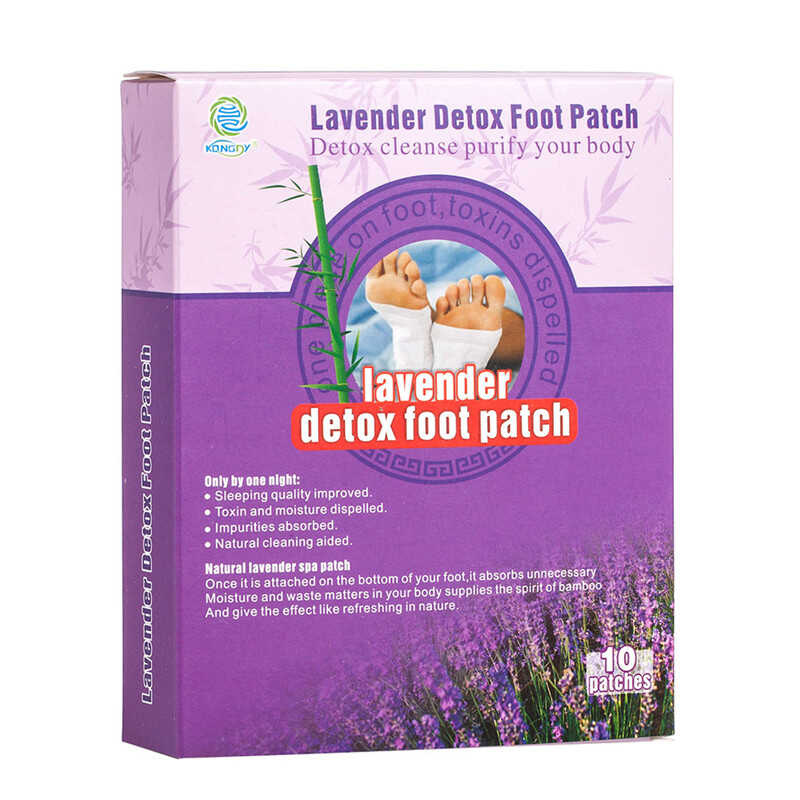
Detox foot patches are manufactured through a multi-step process: raw material preparation (vinegar, herbs, dextrin, etc.), ingredient mixing in precise ratios, adhesive preparation, lamination of the adhesive layer with the non-woven fabric, die-cutting into individual patch shapes (typically oval or foot-shaped), insertion of the ingredient sachet into the patch, individual sachet packaging (typically aluminum foil), outer packaging (boxes, multi-packs), and quality inspection. The production occurs in controlled environments with humidity control. At Kangdi Medical, our production capacity exceeds 5 million foot patches per month.
The typical shelf life of a detox foot patch is 2-3 years from the date of manufacture, depending on the formulation and packaging. The shelf life is determined by the stability of the bamboo vinegar and other ingredients, and the integrity of the aluminum foil sachet (which prevents moisture and air exposure). The shelf life is validated through accelerated aging studies and real-time stability studies. At Kangdi Medical, we provide 2-year shelf life as standard with ongoing stability monitoring.
Detox foot patches undergo these quality tests: ingredient content (vinegar concentration, herb content), pH (typically 3-5 for vinegar-based formulations), weight verification (each patch has consistent weight), visual inspection (no defects in fabric, sealing, printing), air-tightness testing (sachets must maintain integrity), microbial testing (USP<61> and USP<62>), and stability testing. The tests ensure that each patch performs consistently and meets safety standards. At Kangdi Medical, every batch is tested with documented COA, and stability studies are ongoing.
Detox foot patch regulatory requirements vary by market. In most markets, detox foot patches are regulated as cosmetics or general consumer products rather than drugs, with relatively straightforward compliance requirements. In the US, the product is typically regulated by FDA as a cosmetic, with labeling compliance under 21 CFR part 701. In the EU, the product is regulated under the Cosmetic Regulation 1223/2009, requiring a Product Information File (PIF) and Cosmetic Product Safety Report (CPSR). Claims related to health benefits (e.g., "detoxification," "toxin removal") are scrutinized by regulatory authorities in most markets, with restrictions on unsubstantiated claims.
Legal claims for detox foot patches vary by market and depend on the regulatory classification. Generally safe claims include: relaxation support, foot care, freshness, sleep support, and the visual residue effect. Claims to avoid: "removes toxins," "cures disease," "treats chronic conditions," and specific health benefit claims without scientific evidence. The most defensible positioning focuses on the relaxation, sleep support, and foot care benefits, with the visual residue as a user experience element rather than a health claim. Brand owners should work with regulatory consultants to ensure claim compliance in each target market.
The global detox foot patch market was approximately USD 600 million in 2026, projected to grow at 4-7% CAGR through 2030. The largest markets are: Japan (origin market, mature but stable), China (large domestic market and major manufacturing base), Korea (beauty and wellness positioning), Southeast Asia (rapid growth), US (wellness-focused, growing), and Latin America (Brazil, Mexico with strong demand). The growth is driven by increasing wellness spending, interest in self-care, and the appeal of simple, non-ingestible wellness products.
Common packaging options for detox foot patches include: single sachet (1 patch per foil sachet, retail-ready), 5-pack box (one-week supply), 10-pack box (10-day supply), 20-pack box (20-day supply, value positioning), 30-pack box (one-month supply, popular for subscriptions), and gift sets (curated multi-pack with premium presentation). The packaging material is typically aluminum foil sachets (for air-tightness) inside printed cartons. Custom packaging design is available for brand owners seeking differentiation.
The minimum order quantity (MOQ) for OEM detox foot patches is typically 5,000-10,000 units for standard configurations and 10,000-30,000 units for custom configurations. The MOQ depends on: raw material minimum orders, production efficiency, packaging material minimums, and customization complexity. At Kangdi Medical, our standard MOQ is 5,000 units for repeat orders and 10,000 units for first orders, with lower MOQs available for sample orders.
OEM detox foot patch pricing depends on: order quantity, customization, packaging complexity, and shipping terms. Typical B2B pricing ranges: USD 0.15-0.35 per patch for standard configurations in 50,000+ unit orders, USD 0.25-0.50 per patch for custom configurations. Retail prices typically range from USD 1-3 per patch for single sachets, USD 5-20 for multi-packs, USD 20-50 for gift sets. Premium positioning (organic, custom formulation, premium packaging) supports higher retail prices.
Effective detox foot patch marketing combines: educational content (wellness, self-care, sleep quality), social media marketing (Instagram, TikTok showing the visual residue, YouTube reviews), influencer partnerships (wellness and lifestyle influencers), Amazon optimization (keyword targeting, A+ content), retail distribution (drugstores, wellness retailers, beauty stores), and subscription models (monthly delivery for repeat users). The most successful brands combine honest positioning (focusing on relaxation and foot care benefits) with engaging visual content (showing the residue effect). Avoid over-the-top health claims that could trigger regulatory scrutiny.
Detox foot patches represent a unique product category with strong consumer demand and relatively low regulatory complexity. The 20 questions covered in this FAQ provide the foundation knowledge for your sourcing and brand building journey. The next step is to apply this knowledge to your specific brand vision, target market, and business model — and partner with a manufacturer that can deliver quality, customization, and reliable supply with honest positioning.
Contact Kangdi Medical to discuss your detox foot patch brand. Our R&D team provides formulation customization (ingredients, scents, organic options), our production team ensures quality and on-time delivery, and our commercial team supports your market entry with samples, regulatory documentation, and strategic guidance. We are your manufacturing partner from concept to commercial success.
Email: kongdy202113@gmail.com
WhatsApp: +86 15517541011
Website: www.kongdypatch.com
Specializing in the integration of scientific research, production and marketing of medical devices


 0086-15517541011
 No.4,2nd Area,SME Poineer Park,Industry Cluster Zone,Huaiyang Country, Zhoukou, Henan, China.
 kongdy202113@gmail.com