
Author: Kongdy Patch
Date: 06 02,2026
Lidocaine is the gold standard active ingredient in topical pain relief. The local anesthetic works by blocking nerve signal transmission at the application site, providing rapid and effective pain relief for a range of conditions including post-herpetic neuralgia, muscle soreness, joint pain, and minor burns. Until recently, lidocaine patches in the US were dominated by prescription products and a few established OTC brands. The regulatory landscape in 2026 has shifted to make private label lidocaine patches an accessible OEM opportunity for serious brand owners.
This guide walks you through everything you need to know about sourcing lidocaine patches from a Chinese OEM manufacturer — from the regulatory pathways now available, through formulation considerations, target consumer segments, and brand positioning strategies.
A lidocaine patch is a topical delivery system that administers lidocaine directly to the skin at the application site. The patch typically contains 4% or 5% lidocaine as the active pharmaceutical ingredient, dispersed in an adhesive matrix that delivers the active ingredient over a wear period of 4–12 hours depending on formulation. The 4% concentration is approved for OTC sale in the US, while higher concentrations (5% and above) typically require prescription in most markets.
Lidocaine patches are used for localized pain management, particularly for nerve pain, post-herpetic neuralgia, muscle soreness, and joint pain. The mechanism of action is direct nerve signal blocking at the application site, which provides more targeted and longer-lasting relief than warming or counterirritant mechanisms used in heat patches and standard analgesic patches.
The US FDA approved 4% lidocaine patches for OTC sale in 2022, opening the door for private label and store brand products in this category. The OTC approval applies to products making specific claims about temporary relief of minor pain conditions, with appropriate labeling and warnings.
For European Union market entry, lidocaine patches are typically classified as medical devices under EU MDR 2017/745 and require CE marking. The classification depends on the lidocaine concentration, the claims made, and the intended duration of use. Lower-concentration (4%) patches with conservative claims may qualify for Class IIa classification, while higher-concentration or longer-duration products may require Class IIb.
Other markets have their own regulatory frameworks. Health Canada, TGA Australia, and most Southeast Asian regulators have specific requirements for lidocaine-containing products that your OEM manufacturer should be familiar with.
OTC lidocaine patches in the US are limited to 4% concentration. Pharmaceutical-grade lidocaine is the standard for these products, ensuring consistent purity and predictable skin absorption. Lower-grade lidocaine may contain impurities that affect both efficacy and skin safety. Quality manufacturers specify the lidocaine source and grade on their COA documentation.
The adhesive matrix in a lidocaine patch must hold the active ingredient in stable suspension, deliver it at a controlled rate over the wear period, and maintain adhesion under a range of skin conditions. Acrylic-based adhesives are most common for lidocaine patches due to their chemical compatibility with lidocaine and their ability to maintain consistent release profiles.
Lidocaine penetration through the stratum corneum (outer skin layer) is the rate-limiting step in achieving therapeutic effect. Penetration enhancers such as propylene glycol, oleic acid, or specific terpene compounds may be included in the formulation to improve lidocaine transport to the deeper skin layers where the nerve endings are located.
The backing material must be flexible, breathable, and comfortable for extended wear (4–12 hours is typical for lidocaine patches). Non-woven fabric and polyurethane film are the most common backing materials. The backing must also provide a sufficient barrier to prevent lidocaine migration to the outer surface of the patch.
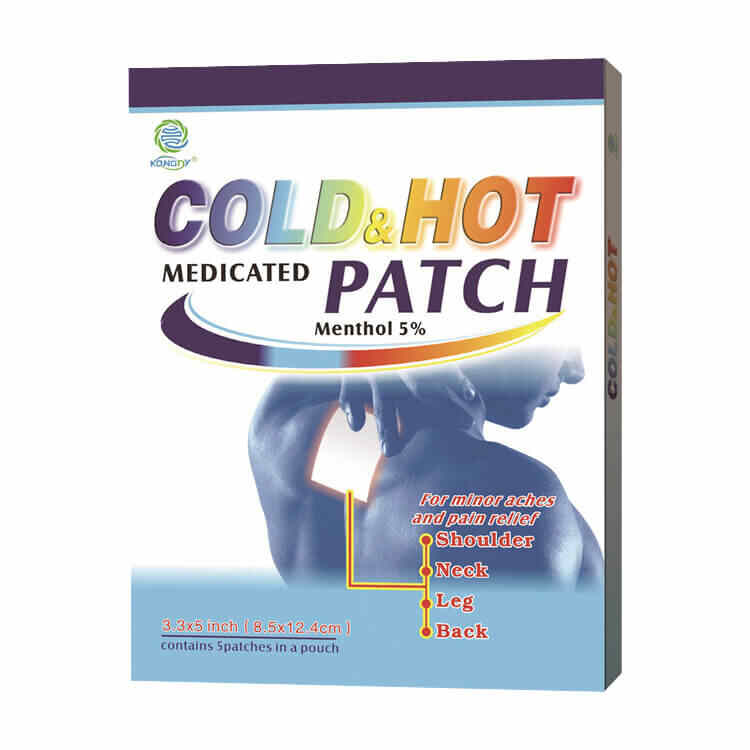
The largest user segment is adults managing chronic pain conditions such as arthritis, back pain, and neuropathic pain. These consumers use lidocaine patches as part of ongoing pain management routines and value the targeted, longer-lasting relief that lidocaine provides compared to menthol or warming patches.
Consumers recovering from surgery, sports injuries, or accidents represent a significant user segment. Lidocaine patches provide targeted pain relief that supports recovery without the systemic effects of oral pain medications. This segment values products with clear usage instructions and effective pain relief without the drowsiness or gastrointestinal side effects of oral medications.
Adults aged 55+ with chronic joint pain, muscle soreness, and age-related discomfort represent a high-value consumer segment. Older adults often prefer topical pain management options to oral NSAIDs due to concerns about drug interactions and long-term NSAID side effects. Lidocaine patches with easy-open packaging and gentle adhesion are particularly suited to this segment.
Serious athletes and fitness enthusiasts use lidocaine patches for post-workout muscle recovery and minor injury management. The targeted, longer-lasting relief supports training consistency and recovery between sessions. This segment values product performance and is willing to pay premium prices for clinically effective products.
The OTC lidocaine patch market in the US was historically dominated by a single prescription brand (Lidoderm, which went generic and OTC) and a few established OTC products. With the FDA's 2022 approval of 4% lidocaine patches for OTC sale, the category has become accessible to private label brands for the first time.
Current market dynamics favor new entrants because: the established brands have not aggressively promoted the OTC category, leaving consumer awareness relatively low; the medical community has long familiarity with lidocaine as an effective pain relief active; and consumer preference for non-opioid, non-NSAID pain management options continues to grow.
For a private label brand, the opportunity is to introduce a competitively priced 4% lidocaine patch with strong brand positioning and clear consumer education about the product's mechanism and benefits. The first brands to establish strong positions in the OTC lidocaine patch category will have significant first-mover advantage as the category matures.
Lidocaine patches must be produced in a pharmaceutical-grade manufacturing environment with strict controls on contamination, cross-contamination, and operator handling. Quality manufacturers operate in ISO 13485 certified facilities with separate production areas for different active pharmaceutical ingredients to prevent cross-contamination.
Each production batch must be tested for lidocaine content uniformity — ensuring that every patch in the batch delivers the labeled concentration of active ingredient. The assay testing requires HPLC (High-Performance Liquid Chromatography) equipment, which quality manufacturers have in-house or through accredited partner laboratories.
Lidocaine is a relatively stable active ingredient, but formulation excipients and adhesive components can degrade over time. Stability testing must confirm that the patch maintains its lidocaine content, adhesion performance, and skin compatibility throughout the labeled shelf life. Standard accelerated (40°C/75% RH for 6 months) and real-time (25°C/60% RH for full shelf life) studies are required.
OTC 4% lidocaine patches in the US are regulated as OTC monograph products under FDA 21 CFR Part 348. The product must comply with the monograph's conditions for active ingredient, concentration, dosage form, and labeling claims. Manufacturers must follow current Good Manufacturing Practices (cGMP) as required by 21 CFR Part 210/211.
In the EU, lidocaine patches are classified as medical devices under EU MDR 2017/745. The classification depends on the lidocaine concentration and the duration of use, with most 4% lidocaine patches qualifying as Class IIa. CE marking through a Notified Body is required, with a complete technical file including biocompatibility, clinical evaluation, and post-market surveillance documentation.
Health Canada, TGA Australia, and Southeast Asian regulators have their own frameworks. Many countries require country-specific registration and import licenses for lidocaine-containing products. Your OEM manufacturer should have experience supporting regulatory submissions for your target markets.
Position the brand around clinical efficacy and the gold standard status of lidocaine as an active ingredient. This positioning appeals to consumers seeking the most effective topical pain relief available without a prescription. Marketing should emphasize the active ingredient's history of medical use and the science behind its pain relief mechanism.
Position the brand for specific use cases — back pain, nerve pain, post-workout recovery, joint pain. Targeted positioning is more effective than general "pain relief" positioning because it helps consumers identify with the product and remember the brand when they need it.
Position the brand as a premium private label alternative to established OTC brands. This positioning emphasizes product quality, manufacturing standards, and brand story to justify a price premium over commodity alternatives.
At Kangdi Medical, we have developed dedicated lidocaine patch manufacturing capabilities to serve the growing OTC market. Our lidocaine patch production line operates in a pharmaceutical-grade environment with strict contamination controls and separate production areas for different active pharmaceutical ingredients.
Our lidocaine patch capabilities include 4% lidocaine formulation with pharmaceutical-grade active ingredient, customizable adhesive matrix systems for controlled release, ISO 10993 skin compatibility testing and ISO 13485 quality management, FDA OTC monograph compliance support, CE technical file documentation for EU market entry, full stability testing program for shelf life claims, and flexible MOQ from pilot batches through commercial production.
The OTC lidocaine patch market represents one of the most attractive OEM opportunities in the pain relief category for 2026 and beyond. The regulatory shift to OTC availability, the strong consumer demand for effective non-opioid pain management, and the first-mover opportunity in a relatively new OTC category combine to create a compelling business opportunity for serious brand owners.
Contact Kangdi Medical to discuss your lidocaine patch brand concept, target market, and positioning. We will provide a detailed formulation proposal, regulatory pathway assessment, and production plan tailored to your market entry strategy.
Email: kongdy202113@gmail.com
WhatsApp: +86 15517541011
Website: www.kongdypatch.com
Specializing in the integration of scientific research, production and marketing of medical devices


 0086-15517541011
 No.4,2nd Area,SME Poineer Park,Industry Cluster Zone,Huaiyang Country, Zhoukou, Henan, China.
 kongdy202113@gmail.com