
Author: Kongdy Patch
Date: 06 03,2026
The global hair loss treatment market was valued at approximately USD 8.5 billion in 2025 and is projected to grow at 6-8% CAGR through 2030. Within this market, minoxidil is the most clinically proven over-the-counter active ingredient, used by millions of consumers worldwide. Until recently, the format options for minoxidil were limited to topical solutions and foams — both with significant drawbacks including scalp irritation, greasy application, and inconsistent dosing. The emergence of transdermal minoxidil patches represents the most significant format innovation in the hair loss category in two decades, and a major OEM opportunity for brand owners willing to develop products in this new category.
Transdermal patches offer five concrete advantages over traditional minoxidil solutions and foams. First, precise dosing: each patch delivers a consistent, pre-measured dose of minoxidil, eliminating the variability of dropper or pump application. Second, extended release: the patch delivers minoxidil over a 4-8 hour wear period, providing sustained scalp exposure that may improve efficacy. Third, reduced scalp irritation: the patch format limits minoxidil spread to unintended areas and reduces the contact time with propylene glycol, the main irritant in traditional minoxidil solutions. Fourth, convenience: the patch can be applied at night and worn during sleep, fitting into existing routines. Fifth, compliance: the patch format makes it easier for users to maintain consistent daily application, which is the single biggest challenge in minoxidil therapy.
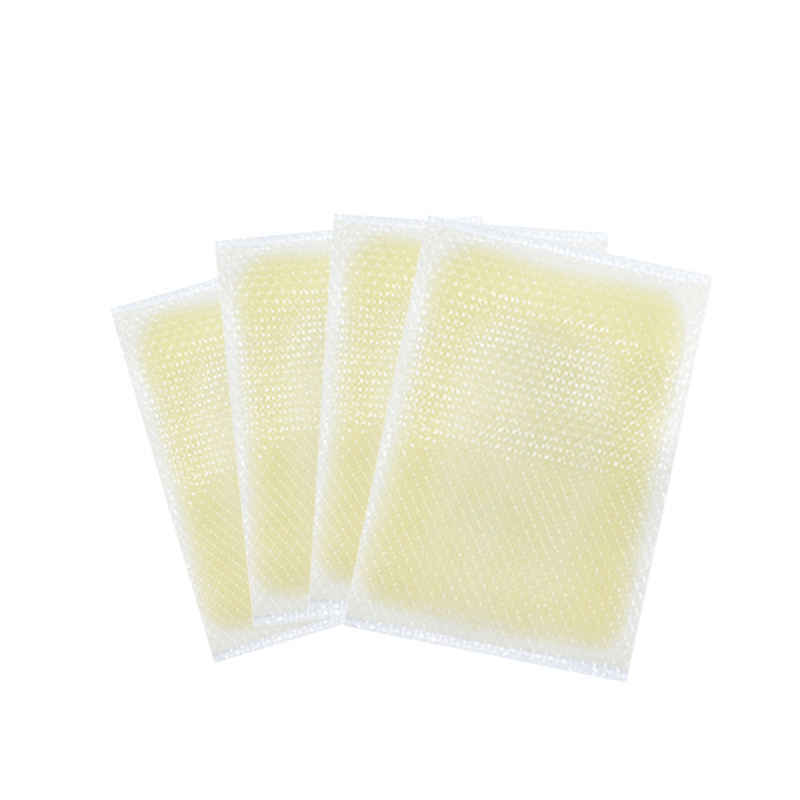
A minoxidil patch is a topical delivery system that administers minoxidil directly to the scalp through the skin. The patch typically contains 2% or 5% minoxidil as the active ingredient, dispersed in an adhesive matrix with penetration enhancers that improve minoxidil transport through the stratum corneum to the hair follicles. The patch is applied to the affected area of the scalp and worn for a defined period (typically 4-8 hours), after which it is removed and discarded. The minoxidil delivered during wear stimulates hair follicle activity, prolongs the anagen (growth) phase, and increases hair shaft diameter over 3-6 months of consistent use.
Two concentrations dominate the market. The 2% concentration is approved for both men and women in most markets and is associated with lower incidence of side effects. The 5% concentration is approved for men in most markets and is associated with greater efficacy but also higher incidence of scalp irritation. OEM manufacturers should support both concentrations to give brand owners flexibility in market positioning.
The adhesive matrix must hold minoxidil in stable suspension while delivering it at a controlled rate through the scalp skin. Penetration enhancers are critical for minoxidil delivery — the molecule has relatively poor skin penetration on its own. Common penetration enhancers for minoxidil patches include propylene glycol, oleic acid, and specific terpene compounds. The formulation must balance penetration enhancement with skin comfort — too much penetration enhancement can cause irritation, while too little limits minoxidil delivery to the hair follicles.
Unlike patches applied to flat skin areas, scalp patches must conform to curved, hair-covered surfaces. The backing material and overall patch design must be flexible enough to maintain contact with the scalp during normal movement, even with hair growth. Micro-perforated backings and ultra-thin adhesive matrices are typically used to address these challenges.
Minoxidil is an FDA-approved OTC active ingredient for hair regrowth. Transdermal patches containing 2% or 5% minoxidil are regulated as OTC monograph products, but the patch format itself may require 510(k) premarket notification as a medical device delivery system. Brand owners should work with regulatory counsel experienced in combination products (drug + device) to determine the specific regulatory pathway for their product.
Minoxidil patches in the EU are typically regulated as medicinal products containing a known active substance. The regulatory pathway involves submission of a Marketing Authorization Application (MAA) through national competent authorities or the European Medicines Agency. The technical file for the patch delivery system follows EU MDR 2017/745 medical device requirements.
Health Canada, TGA Australia, and Southeast Asian regulators have their own frameworks for minoxidil products. Many countries allow OTC sale of minoxidil topical products but require regulatory approval for the patch delivery format. Your OEM manufacturer should have experience supporting regulatory submissions for your specific target markets.
The largest user segment is men with androgenetic alopecia (male pattern baldness) who want a more convenient and less messy alternative to minoxidil solutions. This segment is willing to pay premium prices for products that fit into their lifestyle and provide consistent results.
Women with female pattern hair loss represent a significant and growing user segment. Women are particularly attracted to the patch format because it eliminates the dripping and scalp irritation issues that lead many women to discontinue minoxidil solution use. This segment values discretion, ease of use, and gentle formulation.
A substantial subset of existing minoxidil solution users actively seeks format upgrades. These users have experienced the limitations of solutions first-hand and are motivated to try patches if they believe the new format offers real benefits. This segment is highly responsive to educational marketing about the science of transdermal delivery.
Adults aged 20-35 who are noticing early signs of hair thinning and want to start preventive treatment represent an emerging segment. This segment is digitally native, responsive to social media marketing, and values the modern, technology-forward positioning of patch products.
The current minoxidil patch market is dominated by a small number of established brands, mostly in Asian markets. The US and European markets are just beginning to see patch products emerge, creating a significant first-mover advantage opportunity for new brand entrants. The combination of large existing demand for minoxidil products, the clinical evidence supporting minoxidil's efficacy, and the format advantages of patches over solutions creates a compelling market opportunity.
For a brand entering this market, the key success factors are: clinical credibility (working with manufacturers who can support efficacy claims), formulation quality (a comfortable, well-adhering patch that delivers consistent dosing), brand positioning (clear differentiation from minoxidil solutions), and consumer education (marketing that explains the science and benefits of transdermal delivery).
Developing a minoxidil patch from concept to market takes 6-12 months and requires pharmaceutical-grade manufacturing capabilities. The development phases include formulation development (8-12 weeks), stability testing (3-6 months, can be parallel-tracked with other phases), regulatory submission preparation (8-16 weeks), and commercial production setup (4-6 weeks). The initial investment for formulation development, regulatory documentation, and minimum commercial production is typically USD 80,000 to USD 200,000 depending on the regulatory pathway and documentation requirements.
At Kangdi Medical, we have developed specialized capabilities for transdermal minoxidil patch development. Our R&D team includes formulation scientists with experience in minoxidil delivery systems, our manufacturing facilities include dedicated pharmaceutical-grade production areas, and our regulatory team has supported hair loss treatment product approvals in US, EU, and Asian markets. Our minoxidil patch capabilities include 2% and 5% minoxidil formulations with pharmaceutical-grade active ingredients, customizable penetration enhancement systems, hair-friendly adhesive matrices designed for scalp wear, ISO 10993 biocompatibility testing, full stability testing program for 24-36 month shelf life claims, and regulatory submission support for combination product pathways.
Transdermal minoxidil patches represent one of the most attractive OEM opportunities in the hair loss treatment category for 2026 and beyond. The large existing minoxidil market, the format advantages over traditional solutions, the limited current competition, and the clinical evidence supporting minoxidil's efficacy combine to create a compelling opportunity for brand owners willing to develop products in this emerging category.
Contact Kangdi Medical to discuss your minoxidil patch brand concept, target market, and regulatory strategy. We provide detailed feasibility assessments, formulation proposals, and development timelines tailored to your specific market entry objectives.
Email: kongdy202113@gmail.com
WhatsApp: +86 15517541011
Website: www.kongdypatch.com
Specializing in the integration of scientific research, production and marketing of medical devices


 0086-15517541011
 No.4,2nd Area,SME Poineer Park,Industry Cluster Zone,Huaiyang Country, Zhoukou, Henan, China.
 kongdy202113@gmail.com